Top five tips to help you choose the right retaining wall for your project
Top five tips to help you choose the right retaining wall for your project
Retaining walls and structural landscaping experts from Aesthetic Landscapes and Retaining Walls draw from their wealth of knowledge and experience to provide you with all the important information about retaining walls.
Before embarking on a project of this nature, you should consider the choice of material, desired texture, size and colour.
Where style meets high functionality, retaining walls serve multiple purposes.
Retaining walls are a practical way to make your land more usable but they add visual interest too! The right retaining wall with a little thought into the look and design, will not only be aesthetically pleasing, but it can also serve to create fence lines, usable outdoor spaces and prevent soil erosion.

1. Consider the material and type of wall
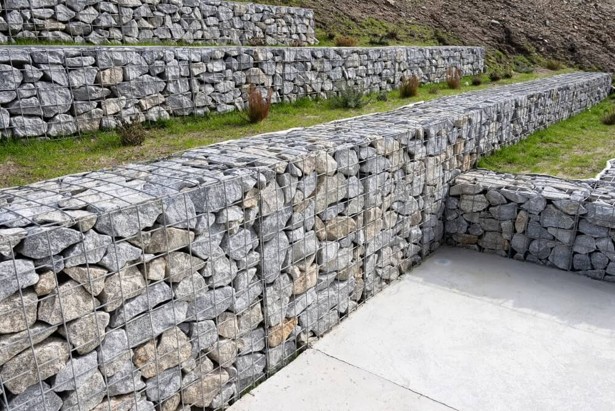
There is a wide range of materials available for building retaining walls.
Interlocking retaining walls and concrete sills are the perfect choices for DIY projects because they’re easier to install.
If you choose concrete blocks, the expert recommends involving an experienced builder in your project. While concrete blocks are a great way to save space, they may also need to be professionally installed depending on the height of your wall.
2. Know your height restrictions
Building codes and height restrictions can affect your material selection and the retaining wall design and planning process. Therefore, it is recommended that you consult a professional for retaining walls over 800mm or for more complex designs.
Two conditions determine how high you can build a retaining wall in your yard.
- the height limits set by your local council, and
- the physical suitability of the retaining wall blocks you plan to use.
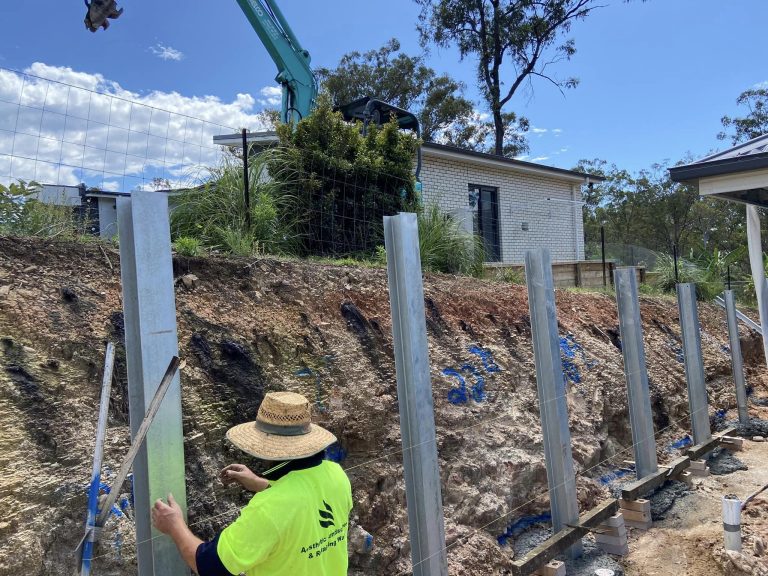
Retaining wall manufacturers specify the maximum height to which the products can be built without engineering. These heights are often referred to as “gravity wall heights” because the wall maintains its structural integrity and restraint function by using its own weight to restrain the soil. In some cases, engineering may be required to go below the height set by the council – this depends on the capacity of the retaining wall system used.
For an elegant and refined design, don’t forget the height of your plant selections – they should match the height of your retaining wall and the design.

3. Consider the colour and finish of the material
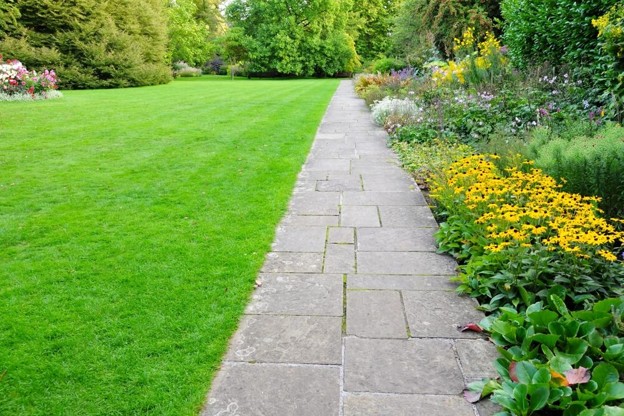
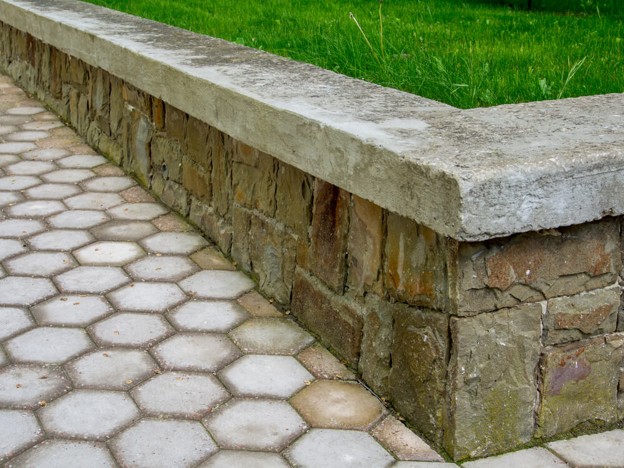
For a consistent look to your outdoor space, it’s best to choose a material colour that harmonises with your paving and other outdoor trim throughout the area.
Alternatively, a contrasting element can be an eye-catching design element that adds to the outdoor environment. There are a number of colour options on the market to suit any style, from smooth white limestone blocks to textured sandstone or deep charcoal hues.
Contrast is fine if used correctly, but you can also opt for a retaining wall that matches your home’s exterior walls.
5. Plan for water drainage
To ensure effective water drainage, the base of the retaining wall must be covered with gravel and mesh. When choosing appropriate plantings, it’s also important to consider climate – tropical climates, for example, will need soil that can cope with damp soil conditions.
If you plan on planting succulents or cacti, that soil must be free draining so you do not create boggy garden beds that the plants cannot thrive in.
Remember that a well-designed retaining wall goes as well with nature as it does with your home.
DIY RETAINING WALLS – The Additional Facts That You Should Not Overlook
Low retaining walls or raised garden beds can be built with masonry blocks. They are generally straightforward to build with and suitable for the weekend renovator.
Before you begin construction, you may have questions about height restrictions (as mentioned above), engineering and municipal permitting.
We’ve compiled a list of the most frequent questions asked when you’re considering building a retaining wall at home.
Your local council will determine the maximum height you can build without a permit. All councils are different. For example, you need to check with your Brisbane city about the height regulations that apply before building.
You can read more about Qld councils and retaining walls here.
If you want to construct a taller wall than the city council specifies, you will need a building permit from your council and a certificate from a private building certifier as per the engineer’s design.
Do I require a permit to build a retaining wall?
Your local government determines the legislation for the construction of retaining walls.
The “magic number” of 1 metre is commonly referred to as the maximum height to which you may build without a permit. However, it is important to know that all councils are different, so it is best to get proper advice! You can find out the regulations for retaining walls in your borough by making a quick call to your city’s development team.
If the wall you want to build exceeds the maximum height set by your local authority, you will need to put forward a building permit application to them.
You will also need an engineer to design the wall and a building certifier to sign off on your craftsmanship to obtain the permit.

How to get a permit to construct a retaining wall?
If your retaining wall exceeds the maximum height established by the City Council, you must obtain a permit prior to construction. In some cases, such as construction in soils with high clay content or construction of walls that will be heavily loaded (e.g. driveways), you will need a permit or engineering design for your retaining wall regardless of the height of the wall.
Below is a checklist of things to consider before building a retaining wall:
Step 1: Check with your local government to determine if you require a retaining wall permit.
Step 2: Hire a QBCC Licensed retaining wall builder
Step 3: Hire a private certifier to complete the permitting process. Your certifier should;
- Submit the building application to the council and file the required forms.
- Inform you of the design and construction certifications required for permitting. These are professional “assurances” that the work will be done by a skilled such as a registered engineer and that the work will meet industry standards.
- They inspect the completed work and provide the permit documents, which are then submitted to the City Council.
Step 4: Get Started!
With required permits and plans in hand, you can start the landscaping work.
Call our reputable Brisbane retaining wall contractor nearby at 0400 234 446 for more details on building retaining walls.