Queensland Fencing Guide: Timber vs Colorbond vs Aluminium
Timber vs Colorbond vs Aluminium Fencing in Queensland
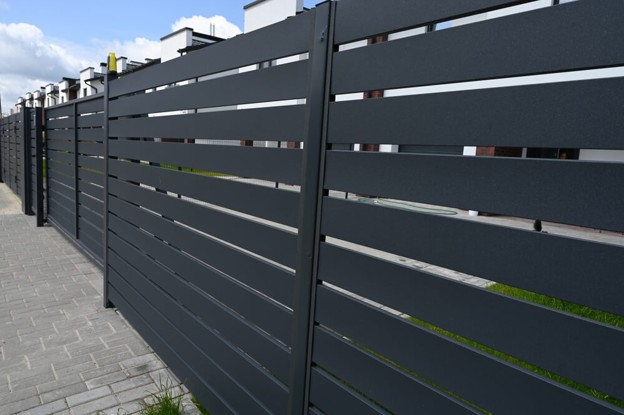
Fencing does more than mark a boundary. In Queensland, it also needs to deal with heat, rain and long periods of exposure to the elements. What looks good on day one can change fairly quickly if the material does not handle those conditions well.
A lot of homeowners start with appearance, but that usually shifts once maintenance and durability come into the picture. Some fences need regular upkeep. Others hold up with very little attention but come with a different look or cost.
This guide runs through a simple fencing material comparison, focusing on timber, Colorbond and aluminium, and how each one tends to perform in local conditions.
Timber Fencing
Timber fencing is still one of the more common choices, mostly because of how it looks. It suits a wide range of homes and can be adjusted to different heights and styles.
From a practical point of view, timber does have some trade-offs. In Queensland’s weather, exposure to moisture and heat can start to affect it over time. Boards may warp, fade or weaken if they are not maintained.
That said, timber can still be a good fit in the right situation. It often works well where appearance matters and where ongoing upkeep is not an issue.
Some of the main points to consider:
- natural finish that suits many residential properties
- flexible in design and height
- requires regular maintenance to keep its condition
- can be affected by moisture and pests over time
When looking at timber fencing pros and cons, the key question is usually how much maintenance you are willing to take on.
Colorbond Fencing
Colorbond fencing is often chosen for its consistency and durability. It has a more uniform look compared to timber and is designed to handle outdoor conditions without much change over time. In Queensland, this can be a practical option. It does not absorb moisture, and it holds up well in heat. Once installed, there is usually very little maintenance involved.
Another factor is privacy. Because the panels are solid, they provide full coverage without gaps. Important points for Colorbond fencing benefits:
- low maintenance once installed
- strong performance in heat and rain
- consistent appearance over time
- good level of privacy
The trade-off is mainly in appearance. It has a more structured, modern look, which may not suit every property style.
Aluminium Fencing
Aluminium fencing sits somewhere between the two. It is lighter than steel and does not rust, which makes it useful in areas exposed to moisture.
You will often see aluminium used for front boundaries, pool fencing or areas where airflow is needed. Unlike Colorbond, it is not designed to fully obstruct visibility. From a durability point of view, it handles weather well, but the level of privacy depends on the design.
Looking at aluminium fencing advantages, it generally offers:
- resistance to rust and moisture
- low maintenance requirements
- lighter structure, easier to install in some cases
- suitable for open or decorative fencing
It is less commonly used where full privacy is the goal, but it works well for certain layouts.
Choosing the Right Option
There is no single answer when it comes to the best fencing material for homes. It usually depends on what matters most for the property.
If privacy and low maintenance are priorities, Colorbond often makes sense. If appearance is more important and upkeep is not an issue, timber may still be the preferred option. Aluminium tends to suit areas where airflow, visibility or a lighter structure is needed.
At Aesthetic Landscape & Retaining Walls, we understand that budget also plays a role, but long-term performance is just as important. A lower upfront cost can lead to more maintenance later, depending on the material. Looking at how the fence will be used day to day usually makes the decision clearer than comparing features alone.
Each fencing material has its place, but Queensland conditions tend to highlight the differences over time. Heat, moisture and general exposure can affect how well a fence holds up, which is why the choice matters.
Timber, Colorbond and aluminium all offer different advantages. The best option depends on the balance between appearance, maintenance and how the space is used. Taking local conditions into account early helps avoid issues later, especially on properties exposed to weather or requiring long-term durability.
CTA
If you are planning new fencing and want help choosing a material that suits your property and conditions, you can contact our team to discuss your options or request a quote