Bushfire-Safe Landscaping Tips for Queensland Properties
Bushfire Safe Landscaping Ideas for Queensland Homes
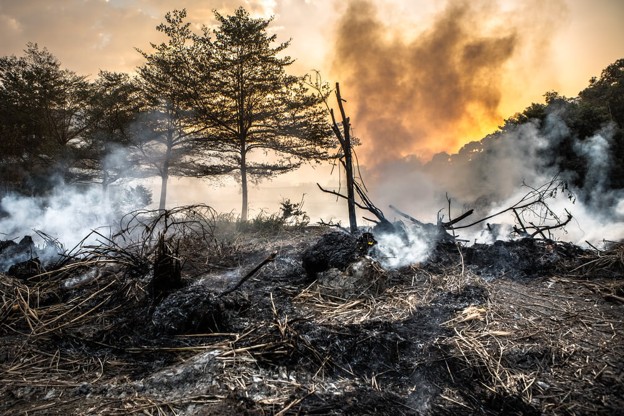
For properties in parts of Queensland, bushfire risk is something that needs to be considered when planning outdoor spaces. It does not mean the yard has to feel bare or heavily restricted, but the way it is designed can make a difference if conditions change.
Bushfire-safe landscaping is not about removing everything. It is more about how materials are chosen, how plants are positioned and how the space is maintained over time.
Small adjustments can reduce how quickly fire spreads across a property. They can also help protect structures by limiting direct exposure.
Creating Space Around the Home
One of the more effective ways to reduce risk is to manage what sits close to the house. Dense planting or materials that burn easily can allow fire to move quickly if they are positioned too close to walls or openings. A more open layout near the building can help slow that spread. This does not mean removing all vegetation, but spacing it out so there is less continuous fuel.
Practical steps often include:
- keeping plants trimmed and separated rather than tightly grouped
- avoiding heavy vegetation directly against walls
- maintaining clear access around the home
This type of low-risk landscape design focuses on reducing how easily fire can move from one area to another.
Choosing Fire-Resistant Materials
The materials used in the landscape also play a role. Some elements are more likely to ignite or hold heat, while others help reduce that risk.
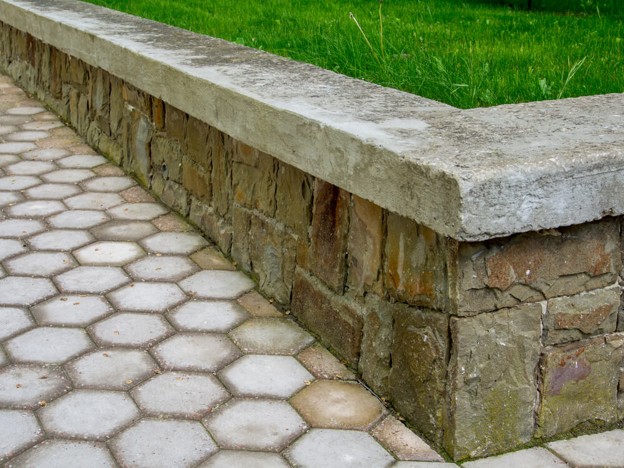
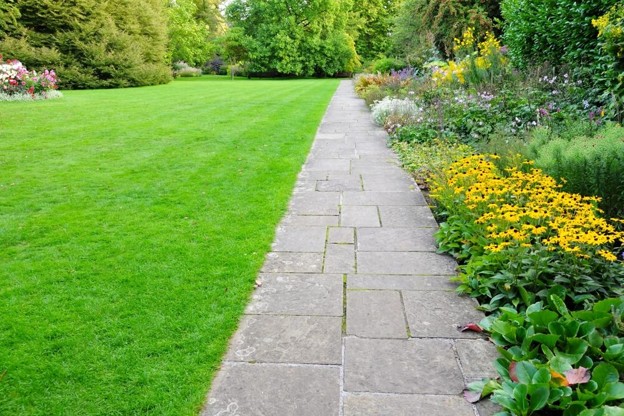
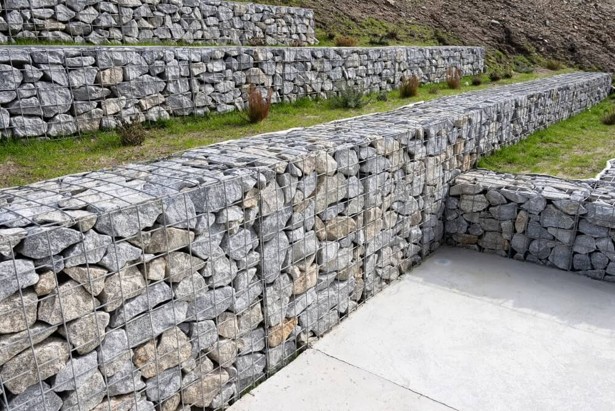
Hard surfaces such as concrete, steppers and certain retaining wall systems can act as breaks between sections of the yard. These areas do not carry fire in the same way as organic materials.
When planning bushfire-resistant landscaping, it can help to think about where these materials are placed. Pathways, retaining walls and open sections can create natural separation within the space. Turf can also be useful in this context. A well-maintained lawn, kept short and healthy, is less likely to catch fire compared to dry or overgrown vegetation.
Plant Selection and Maintenance
Plant choice makes a difference, but maintenance is just as important. Even lower-risk plants can become a problem if they are dry or not looked after.
For a fire-safe garden design, the focus is usually on:
- selecting plants that hold more moisture and produce less dry material
- removing dead leaves and branches regularly
- avoiding the buildup of mulch close to structures
Spacing between plants also matters. When vegetation is too close together, it allows fire to move more easily across the surface. Keeping the garden maintained over time is one of the more practical landscaping tips for bushfire areas, as it reduces the amount of fuel available.
Using Structure to Support Safety
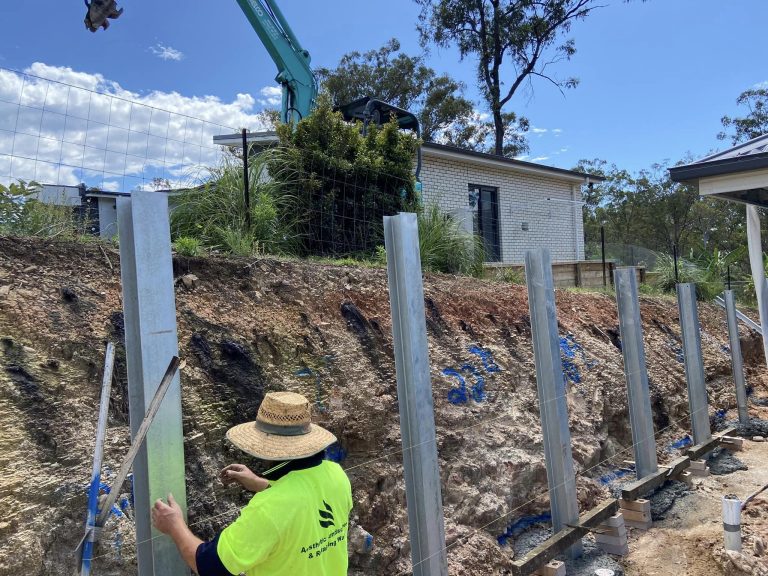
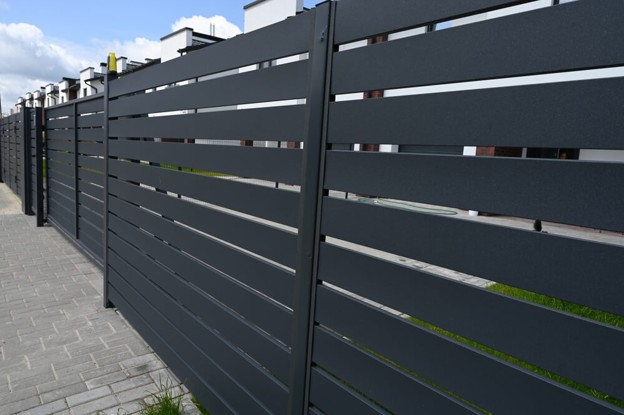
: Elements like retaining walls, fencing and stepper pathways are not just functional. They can also help shape how a property responds to fire risk. For example, bushfire protection landscaping often includes sections that break up the yard into smaller areas rather than one continuous space. This can slow movement across the site.
Retaining walls, especially those built from concrete or other non-combustible materials, can form part of that structure. They help define levels while also creating separation between sections. The goal is not to change how the property looks entirely, but to introduce practical features that improve safety without affecting usability.
Bushfire safe landscaping comes down to a series of small decisions rather than one single change. How plants are placed, which materials are used and how the space is maintained all contribute to the overall result. In Queensland conditions, where dry periods and heat can increase risk, these details become more important over time.
With the right approach, it is possible to create an outdoor space that still looks balanced while being better prepared for changing conditions.
If you are looking to make your property safer while still keeping it functional and well designed, you can contact the team at Aesthetic Landscape & Retaining Walls to discuss bushfire-conscious landscaping options or request a quote.: Elements like retaining walls, fencing and stepper pathways are not just functional. They can also help shape how a property responds to fire risk. For example, bushfire protection landscaping often includes sections that break up the yard into smaller areas rather than one continuous space. This can slow movement across the site.
Retaining walls, especially those built from concrete or other non-combustible materials, can form part of that structure. They help define levels while also creating separation between sections. The goal is not to change how the property looks entirely, but to introduce practical features that improve safety without affecting usability.
Bushfire safe landscaping comes down to a series of small decisions rather than one single change. How plants are placed, which materials are used and how the space is maintained all contribute to the overall result. In Queensland conditions, where dry periods and heat can increase risk, these details become more important over time.
With the right approach, it is possible to create an outdoor space that still looks balanced while being better prepared for changing conditions.
If you are looking to make your property safer while still keeping it functional and well designed, you can contact the team at Aesthetic Landscape & Retaining Walls to discuss bushfire-conscious landscaping options or request a quote.